Spa is Good for Hair
Introduction
Spa is Good for Hair or Not Hair care is a vital part of our beauty regimen, and many people are constantly searching for ways to improve the health and appearance of their hair. One popular treatment is the hair spa, which promises to nourish, rejuvenate, and restore hair. But is a spa really good for your hair? This comprehensive guide will delve into the benefits, potential drawbacks, and tips for making the most out of hair spa treatments, helping you decide if it’s the right choice for you.
What is a Hair Spa?
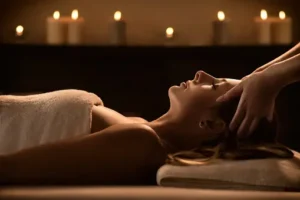
A hair spa is a therapeutic treatment designed to strengthen hair, improve scalp health, and enhance overall hair appearance. It typically includes a combination of deep conditioning, scalp massage, steam, and the application of nourishing hair masks. Hair spas can be done in professional salons or at home using specially formulated products.
Benefits of Hair Spa Treatments
- Deep Conditioning: One of the primary benefits of a hair spa is deep conditioning. The treatments penetrate deep into the hair shaft, providing intense hydration and nourishment. Spa is Good for Hair or Not This can help repair damage, reduce dryness, and leave hair feeling soft and silky.
- Improved Scalp Health: Hair spa treatments often include scalp massages and the application of scalp-specific products. These can help improve blood circulation, reduce dandruff, and alleviate itchiness, promoting a healthier scalp environment for hair growth.
- Stress Relief: The relaxing nature of hair spa treatments, including massages and steam, can help reduce stress and tension. This not only benefits your overall well-being but can also positively impact hair health, as stress is a known factor in hair loss.
- Enhanced Shine and Luster: Regular hair spa treatments can enhance the natural shine and luster of your hair. The nourishing ingredients and deep conditioning help smooth the hair cuticle, resulting in shinier and more vibrant hair.
- Reduced Frizz and Tangles: Hair spa treatments can help tame frizz and make hair more manageable. The deep conditioning and moisturizing components smooth the hair strands, reducing tangles and making it easier to style.
- Strengthened Hair: The nourishing ingredients used in hair spa treatments can strengthen hair from the roots to the tips. This can help reduce breakage, split ends, and overall hair damage, promoting healthier, stronger hair.
Potential Drawbacks of Hair Spa Treatments
While hair spa treatments offer numerous benefits, there are potential drawbacks to consider:
- Cost: Professional hair spa treatments can be expensive, especially if done regularly. The cost of these treatments can add up, making it an investment in your hair care routine.
- Time-Consuming: Hair spa treatments typically take longer than regular hair care routines. A session can last anywhere from 45 minutes to a couple of hours, which might not be convenient for everyone.
- Product Sensitivity: Some individuals may be sensitive or allergic to certain ingredients used in hair spa treatments. It’s essential to know the products being used and ensure they are suitable for your hair and scalp type.
- Temporary Results: While hair spa treatments can provide immediate benefits, the results may be temporary. Regular treatments are often necessary to maintain the improved condition of your hair.
Types of Hair Spa Treatments
There are various types of hair spa treatments available,Spa is Good for Hair or Not each catering to specific hair concerns. Here are some popular types:
- Moisturizing Hair Spa: Ideal for dry and damaged hair, this treatment focuses on providing intense hydration and nourishment. Ingredients like aloe vera, shea butter, and oils are commonly used.
- Anti-Dandruff Hair Spa: This treatment targets dandruff and scalp issues. Ingredients such as tea tree oil, neem, and menthol are used to soothe and cleanse the scalp.
- Hair Fall Control Spa: Designed to strengthen hair roots and reduce hair fall, this treatment often includes ingredients like keratin, biotin, and proteins.
- Color Protection Spa: For those with color-treated hair, this spa treatment helps protect and prolong the vibrancy of the hair color. It includes color-safe products that nourish and shield hair from fading.
- Rejuvenating Hair Spa: Aimed at overall hair rejuvenation, this treatment includes a combination of deep conditioning, scalp massage, and steam to refresh and revitalize hair.
How to Choose the Right Hair Spa Treatment
Choosing the right hair spa treatment depends on your hair type and specific concerns. Here are some tips to help you make an informed decision:
- Identify Your Hair Concerns: Determine your primary hair concerns, such as dryness, dandruff, hair fall, or color protection. This will help you choose a treatment that addresses your specific needs.
- Consult a Professional: If you’re unsure which treatment is best for you, consult a professional hairstylist. They can assess your hair and scalp condition and recommend the most suitable treatment.
- Check Ingredients: Pay attention to the ingredients used in the treatment. Look for nourishing and beneficial ingredients, and avoid any that you may be sensitive or allergic to.
- Read Reviews: Research and read reviews of different hair spa treatments. Feedback from others can provide valuable insights into the effectiveness of the treatments.
- Consider At-Home Options: If professional treatments are not within your budget or schedule, consider at-home hair spa products. Many brands offer effective at-home treatments that can provide similar benefits.
DIY Hair Spa Treatments
For those who prefer at-home hair care, DIY hair spa treatments can be a cost-effective and convenient option. Here are some simple recipes you can try:
Moisturizing Hair Spa
Ingredients:
- 2 tablespoons aloe vera gel
- 1 tablespoon coconut oil
- 1 tablespoon honey
Instructions:
- Mix all ingredients in a bowl until well combined.
- Apply the mixture to clean, damp hair from roots to tips.
- Massage gently and leave it on for 30 minutes.
- Rinse thoroughly with lukewarm water.
Anti-Dandruff Hair Spa
Ingredients:
- 1 tablespoon tea tree oil
- 2 tablespoons yogurt
- 1 tablespoon lemon juice
Instructions:
- Mix all ingredients in a bowl until smooth.
- Apply the mixture to your scalp and hair.
- Massage gently and leave it on for 20-30 minutes.
- Rinse thoroughly with lukewarm water.
Hair Fall Control Spa
Ingredients:
- 2 tablespoons olive oil
- 1 tablespoon castor oil
- 1 egg yolk
Instructions:
- Mix all ingredients in a bowl until well blended.
- Apply the mixture to your scalp and hair.
- Massage gently and leave it on for 30 minutes.
- Rinse thoroughly with lukewarm water.
How to Maximize the Benefits of Hair Spa Treatments
To get the most out of your hair spa treatments, follow these tips:
- Regular Treatments: Consistency is key to maintaining the benefits of hair spa treatments. Aim for regular sessions, whether professional or at-home, to keep your hair in optimal condition.
- Healthy Hair Care Routine: Complement your hair spa treatments with a healthy hair care routine. Use gentle shampoos, conditioners, and avoid excessive heat styling.
- Balanced Diet: Nutrition plays a crucial role in hair health. Ensure you’re consuming a balanced diet rich in vitamins, minerals, and proteins to support healthy hair growth.
- Stay Hydrated: Drinking plenty of water helps maintain hydration levels, promoting healthier hair and scalp.
- Protect Your Hair: Protect your hair from environmental damage by using hats, scarves, or UV protectant sprays when exposed to the sun.
Conclusion
Hair spa treatments offer numerous benefits, including deep conditioning, improved scalp health, stress relief, enhanced shine, and strengthened hair. Spa is Good for Hair or Not While there are potential drawbacks such as cost and time, the overall benefits make it a worthwhile investment for many. By choosing the right treatment for your hair type and concerns, and following a consistent hair care routine, you can enjoy healthier, more beautiful hair.